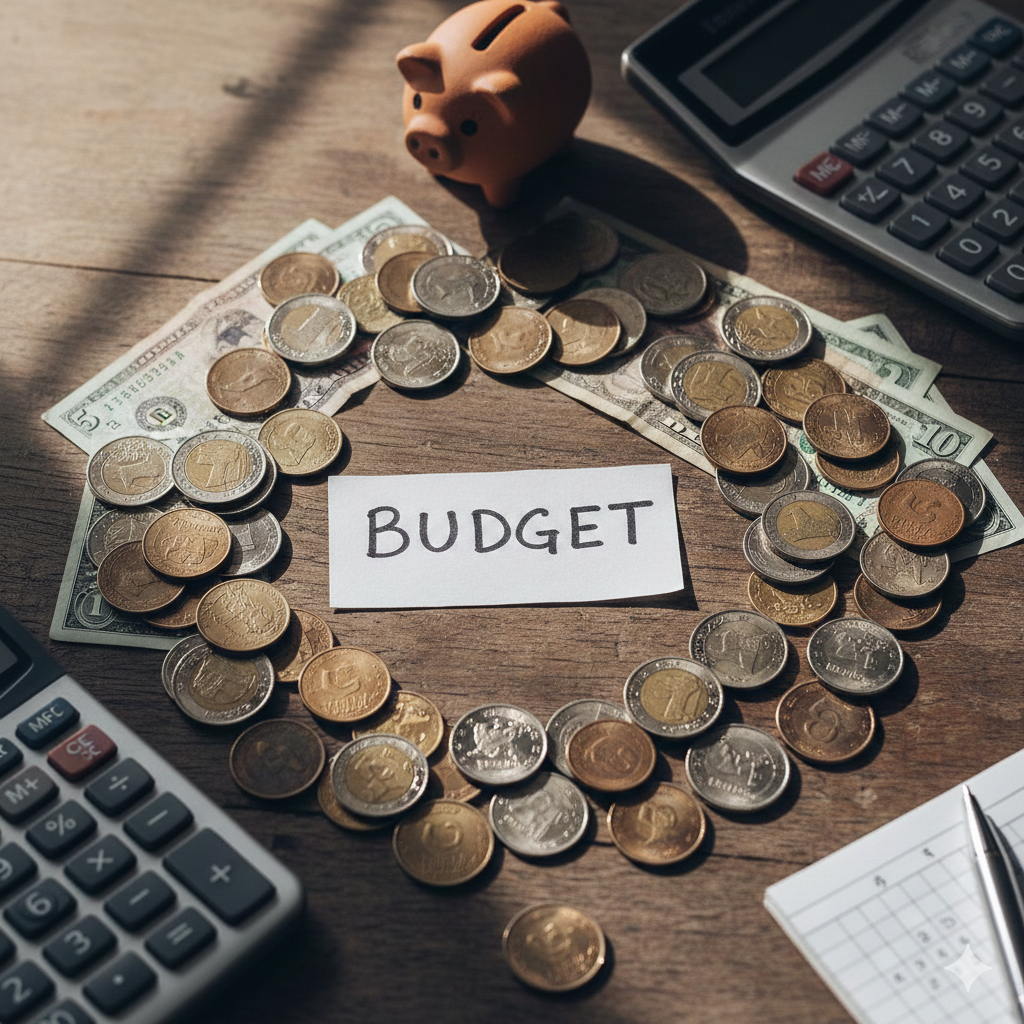
Managing money is not just about earning more; it is about using what you earn in the right way. This is where Budget Basics come in. Whether you are a student, a salaried employee, a homemaker, or a business owner, understanding budget basics can completely change your financial life.
In this detailed guide, you will learn what Budget Basics are, why they matter, and how to apply budgeting techniques in real life with practical examples. This post is specially written for beginners who want financial clarity without complicated terms.
What Are Budget Basics?
Budget Basics means learning the fundamental rules and methods of planning your income and expenses. A budget is simply a written plan that shows:
- How much money you earn
- How much money you spend
- How much you save
- How much you invest or set aside for future goals
A good budget ensures that your expenses never control you—instead, you control your money.
Simple Definition
Budget Basics = Income – Expenses + Savings = Financial Stability
Why Budget Basics Are Important
Many people face money problems not because they earn less, but because they do not manage money properly. Understanding Budget Basics helps you:
- Avoid unnecessary debt
- Build emergency savings
- Achieve financial goals faster
- Reduce stress related to money
- Plan for the future confidently
Real-Life Example
Rohit earns ₹30,000 per month. He feels his salary is low, but after tracking expenses, he realizes ₹6,000 goes to online food orders. After budgeting, he saves ₹4,000 monthly without increasing income.
Step 1: Understand Your Income Clearly
The first rule of Budget Basics is knowing exactly how much money comes in.
Types of Income
- Salary or wages
- Freelancing or side income
- Business profit
- Rental income
- Interest or dividends
Technique: Net Income Calculation
Always calculate your net income, not gross income.
Example:
Salary = ₹40,000
PF + Tax = ₹5,000
Net Income = ₹35,000 (this is your real budgeting amount)
Step 2: Track Every Expense (The Foundation of Budget Basics)
You cannot control what you don’t measure. Expense tracking is the most important budgeting technique.
Expense Categories
- Fixed expenses (rent, EMI, school fees)
- Variable expenses (food, electricity, petrol)
- Discretionary expenses (shopping, entertainment)
Technique: 30-Day Expense Tracking
Write down every rupee spent for 30 days using:
- A notebook
- Excel sheet
- Budgeting apps
Real Example
Neha tracked expenses and discovered:
- ₹1,200/month on subscriptions she never used
- ₹800/month on ATM withdrawal charges
She canceled subscriptions and saved ₹2,000 instantly.
Step 3: Create a Realistic Budget Plan
Now comes the core of Budget Basics—making a practical budget.
The 50/30/20 Rule (Beginner-Friendly Technique)
- 50% Needs – Rent, food, bills
- 30% Wants – Shopping, travel, entertainment
- 20% Savings – Emergency fund, investments
Example (₹40,000 income):
- Needs: ₹20,000
- Wants: ₹12,000
- Savings: ₹8,000
This method is flexible and easy to follow.
Step 4: Pay Yourself First (Powerful Budgeting Technique)
One of the smartest Budget Basics techniques is saving before spending, not after.
How It Works
The moment you receive income:
- Transfer savings immediately
- Then manage expenses with remaining money
Real Example
Amit saved nothing for 5 years. He started auto-transferring ₹3,000 on salary day. After one year, he had ₹36,000 saved without feeling pressure.
Step 5: Build an Emergency Fund
An emergency fund is a non-negotiable part of Budget Basics.
What Is an Emergency Fund?
Money kept aside for:
- Medical emergencies
- Job loss
- Urgent repairs
Ideal Amount
- Minimum: 3 months of expenses
- Ideal: 6 months of expenses
Example:
Monthly expenses = ₹15,000
Emergency fund goal = ₹45,000 to ₹90,000
Keep this money in a savings account or liquid fund, not in risky investments.
Step 6: Control Lifestyle Inflation
As income increases, expenses often increase faster. This is called lifestyle inflation, and it destroys budgets.
Budget Basics Technique to Avoid It
- Increase savings percentage when income increases
- Upgrade lifestyle slowly, not instantly
Real Example
Pooja got a ₹10,000 salary hike.
- She increased savings by ₹5,000
- Lifestyle upgrade used only ₹5,000
Result: Faster wealth creation.
Step 7: Set Clear Financial Goals
Budgeting without goals feels boring. Budget Basics work best with clear goals.
Types of Goals
- Short-term: Phone, vacation
- Mid-term: Bike, wedding
- Long-term: House, retirement
SMART Goal Method
- Specific
- Measurable
- Achievable
- Relevant
- Time-bound
Example:
“I will save ₹1,00,000 in 12 months for an emergency fund.”
Step 8: Reduce and Manage Debt Smartly
Debt management is an essential part of Budget Basics.
Good Debt vs Bad Debt
- Good: Education loan, home loan
- Bad: Credit card debt, personal loans for luxury
Technique: Debt Snowball Method
- Pay smallest debt first
- Gain motivation
- Move to larger debts
Real Example
Rahul cleared 3 credit cards using snowball method and saved ₹18,000 in interest.
Step 9: Review and Adjust Your Budget Monthly
A budget is not fixed—it must evolve.
Monthly Budget Review Checklist
- Did expenses exceed limits?
- Did savings happen on time?
- Any new income or expense?
Real-Life Insight
Festivals, medical needs, or travel can disturb budgets. Adjusting keeps you consistent, not perfect.
Step 10: Use Simple Tools for Budgeting
You don’t need complex software to master Budget Basics.
Easy Tools
- Google Sheets
- Excel
- Notes app
- Budget apps
Choose what you will actually use, not what looks fancy.
Common Budgeting Mistakes to Avoid
- Not tracking small expenses
- Unrealistic savings targets
- Ignoring emergency funds
- Using credit cards without planning
- Giving up after one bad month
Budgeting is a skill, not a one-time task.
How Long Does It Take to See Results?
With proper Budget Basics:
- 1 month: Awareness improves
- 3 months: Savings become visible
- 6 months: Financial confidence grows
- 12 months: Life-changing results
Consistency matters more than perfection.
Final Thoughts on Budget Basics
Budget Basics are not about restrictions; they are about freedom—freedom from stress, debt, and uncertainty. When you understand where your money goes, you gain control over your future.
Start small, stay consistent, and remember:
A simple budget followed honestly is more powerful than a perfect budget never used.