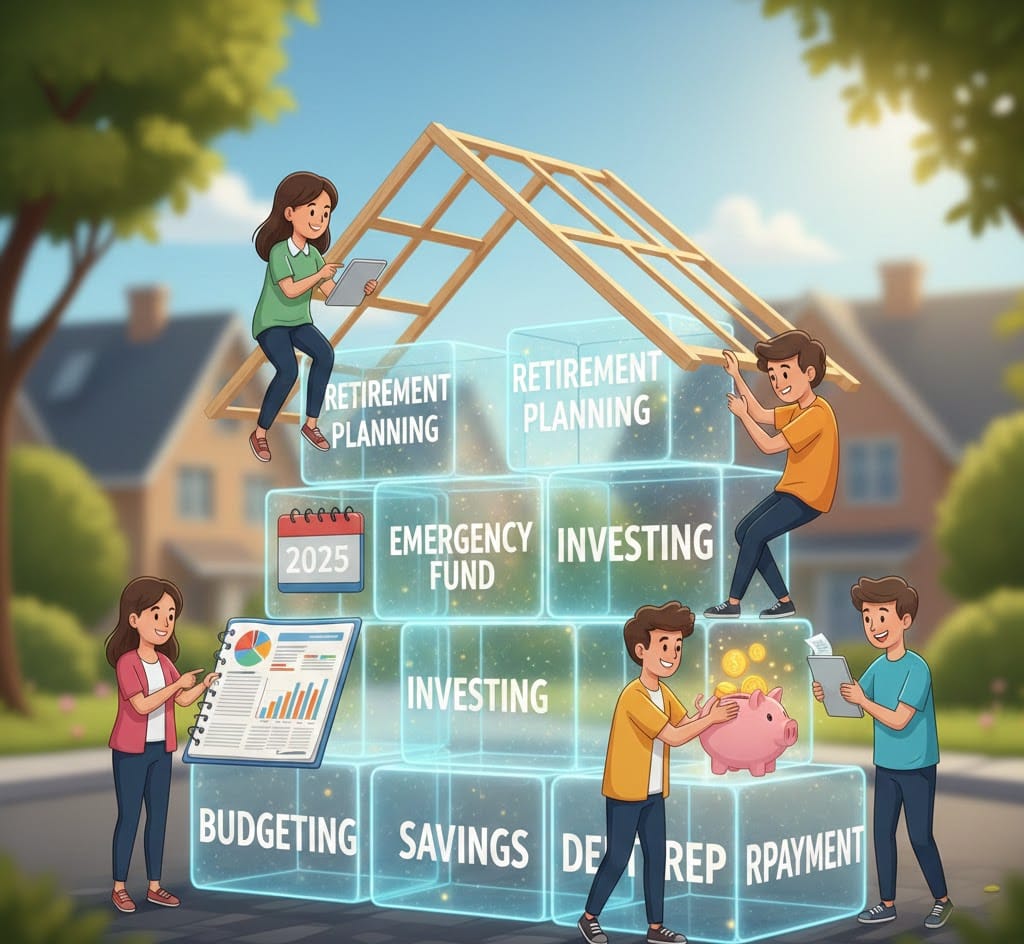
Learn what is personal finance, its meaning, importance, and basics. Simple guide for beginners to manage money smartly. By Moneyfocuss.Moreover, personal finance helps people manage money effectively. As a result, it reduces financial stress. Therefore, it improves long-term decision-making.
According to the OECD, financial literacy is a critical life skill that helps individuals make informed financial decisions and improve long-term financial well-being.
What Is Personal Finance? A Complete Beginner’s Guide to Managing Your Money
What is personal finance?
Personal finance is the process of planning, managing, and controlling your money to meet both short-term and long-term life goals. It includes how you earn, save, spend, invest, and protect your money. Understanding what is personal finance helps individuals make smart financial decisions, avoid debt traps, and build a secure future.
In today’s world, where expenses are rising and income sources are changing, learning what is personal finance is no longer optional—it is essential. Whether you are a student, salaried employee, homemaker, or freelancer, personal finance affects every stage of life.
At Moneyfocuss, we believe that financial clarity is the foundation of a stress-free and independent life. This guide will explain personal finance in simple terms so that beginners can take confident steps toward financial stability.
What Is Personal Finance? (Simple Definition)
To understand *what is personal finance, think of it as a *system for managing your personal money. It involves:
- he amount of money you earn
- The way you spend your income
- The habit of saving consistently
- The strategy you use to invest for growth
- The methods you use to protect yourself from financial risks
Personal finance is not about becoming rich overnight. Instead, it is about making informed decisions that help you live comfortably today while preparing for tomorrow.
Why Is Personal Finance Important?
Many people struggle financially not because they earn less, but because they do not understand what is personal finance and how to manage money effectively.
Here’s why personal finance is important:
1. Helps You Control Your Money
When you learn personal finance, you control your money instead of money controlling you.
2. Reduces Financial Stress
Budgeting, saving, and planning reduce anxiety related to bills, loans, and emergencies.
3. Builds Financial Security
Personal finance prepares you for unexpected situations like job loss, medical emergencies, or economic downturns.
4. Helps Achieve Life Goals
Buying a house, starting a business, traveling, or retiring peacefully—all require financial planning.
Moneyfocuss emphasizes that financial discipline today leads to financial freedom tomorrow.
Core Components of Personal Finance
To fully understand what is personal finance, you must know its main components. These elements work together to create a strong financial foundation.
1. Income Management
Income is the starting point of personal finance. It includes salary, business income, freelance work, investments, or side hustles.
Key points:
- Track all income sources
- Look for ways to increase income
- Avoid lifestyle inflation
Managing income wisely ensures that you always know how much money you have available.
2. Budgeting
Budgeting is the heart of personal finance. It means planning how your money will be spent each month.
A simple budget includes:
- Fixed expenses (rent, EMI, utilities)
- Variable expenses (food, travel, shopping)
- Savings and investments
Understanding what is personal finance without budgeting is incomplete because budgeting creates discipline and clarity.
3. Saving Money
Saving is a critical part of personal finance. It helps you handle emergencies and plan future goals.
Types of savings:
- Emergency fund
- Short-term savings
- Long-term savings
Experts at Moneyfocuss recommend saving at least 20% of your income whenever possible.
4. Investing for Growth
Saving protects your money, but investing grows it. Investing is an essential concept when learning what is personal finance.
Common investment options include:
- Mutual funds
- Stocks
- Fixed deposits
- Retirement plans
Investing early allows you to benefit from compound interest, which significantly increases wealth over time.
5. Debt Management
Not all debt is bad, but unmanaged debt can destroy personal finances.
Good debt:
- Education loans
- Home loans
Bad debt:
- High-interest credit cards
- Unnecessary personal loans
Personal finance teaches you how to use credit wisely and avoid debt traps.
6. Financial Protection
Financial protection ensures safety against risks.
It includes:
- Health insurance
- Life insurance
- Emergency savings
Understanding what is personal finance also means understanding how to protect yourself and your family financially.
Personal Finance for Beginners: How to Start
If you are new and wondering what is personal finance and how to begin, follow these simple steps:
Step 1: Track Your Expenses
Write down every expense for one month to understand spending patterns.
Step 2: Create a Simple Budget
Allocate income into expenses, savings, and investments.
Step 3: Build an Emergency Fund
Save at least 3–6 months of expenses.
Step 4: Learn Basic Investing
Start with low-risk options and increase exposure gradually.
Step 5: Avoid Unnecessary Debt
Use credit responsibly and pay bills on time.
Moneyfocuss encourages beginners to start small but remain consistent.
Common Personal Finance Mistakes to Avoid
Many people fail to manage money because of avoidable mistakes. Knowing what is personal finance also means knowing what not to do.
Common mistakes include:
- Not tracking expenses
- Living beyond income
- Ignoring savings
- Delaying investments
- Lack of insurance
Avoiding these mistakes improves long-term financial health.
Personal Finance and Financial Freedom

Financial freedom does not mean unlimited money. It means having enough money to live the life you want without stress.
Personal finance helps you:
- Become debt-free
- Build passive income
- Achieve long-term stability
Moneyfocuss focuses on sustainable financial habits rather than quick-rich schemes.
Role of Personal Finance in Modern Life
In today’s digital age, financial decisions are more complex. Online payments, digital investments, and multiple income sources make personal finance knowledge more important than ever.
Understanding what is personal finance helps you:
- Make smart digital financial choices
- Avoid scams
- Use technology wisely
Financial literacy is now a life skill, not just a financial skill.
How Moneyfocuss Helps You Master Personal Finance
At Moneyfocuss, our mission is to simplify money concepts and empower individuals with practical financial knowledge.
We focus on:
- Beginner-friendly financial education
- Ethical money management
- Long-term wealth building
By learning with Moneyfocuss, you gain clarity, confidence, and control over your finances.
Final Thoughts: What Is Personal Finance?
So, what is personal finance?
It is the art and science of managing your money wisely to live a balanced, secure, and fulfilling life.
Personal finance is not about how much you earn—it is about how well you manage what you earn. With the right knowledge, habits, and planning, anyone can improve their financial situation.
Start today. Learn consistently. Apply practically.
And remember—financial success is a journey, not a destination.
For more simple and reliable financial guidance, stay connected with Moneyfocuss.
🔹AQ 1: What is personal finance in simple words?
Personal finance means managing your income, expenses, savings, investments, and financial protection to achieve life goals and financial security.
🔹 FAQ 2: Why is personal finance important?
Personal finance is important because it helps control spending, reduce financial stress, avoid debt, and build long-term wealth.
🔹 FAQ 3: What are the main components of personal finance?
The main components of personal finance include income management, budgeting, saving, investing, debt management, and financial protection.
🔹 FAQ 4: How can beginners start personal finance?
Beginners can start personal finance by tracking expenses, creating a budget, building an emergency fund, and learning basic investing concepts.
🔹 FAQ 5: Is personal finance only about saving money?
No, personal finance is not only about saving money. It also includes investing, managing debt, planning goals, and protecting finances through insurance.